Post-Christmas Gift Cards: Sell Smart in January, Not Fast
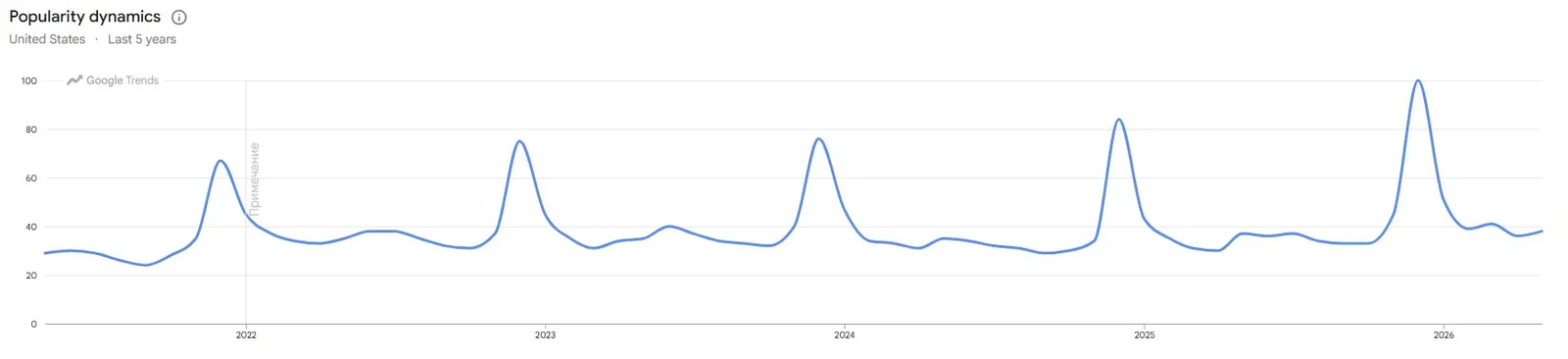
Short answer: don't dump unwanted holiday gift cards on the first buy-back site you find in January. Check the balance first, spend the cards you can use, and sell the rest in a way that keeps the most money: through escrow, where you keep the card and fill a buyer's order with it, sellers typically net 72–88% of face value; instant-cash buy-back sites typically pay 60–85% and take the code from you. Promotional bonus cards ("$10 bonus with $50") cannot be sold at all and expire within weeks, so use those first.
Why January is when everyone sells
Searches for "sell gift cards" in the United States run at roughly twice their usual level in December and January, according to Semrush's 12-month trend. The reason is obvious once you have a stack of cards on the table: duplicates from relatives, a card for a store you never visit, a restaurant on the other side of town. The rush is also when people take the worst deal, because the fastest cash is usually the smallest.
Before you sell anything
- Check every balance. A card bought in a store and never activated reads $0, and a partly spent one is worth less than the number printed on it. Most brands have an official checker; here is where to find each one.
- Separate gift cards from bonus cards. A bonus or reward card from a holiday promotion is a promotional card, not a gift card. It usually works only from 1 January to the end of February or March, often has a minimum spend, and has no cash value. Nobody can buy it from you. The 2025 bonus-card terms, restaurant by restaurant, show how short those windows are.
- Don't panic about expiry. Under the federal Credit CARD Act, a store gift card in the U.S. cannot expire sooner than five years after it was bought or last loaded. Promotional cards are the exception, which is one more reason to spend those first.
- Spend what you would buy anyway. A card spent on groceries, gas or something already on your list keeps 100% of its value. Selling is for the cards you genuinely won't use.
Your options, ranked by what you keep
| Route | What you typically keep | What you give up |
|---|---|---|
| Spend it yourself | 100% | Nothing, if you'd buy it anyway |
| Sell through escrow | 72–88% of face | A few days: the money arrives after the buyer's order is delivered |
| Instant-cash buy-back site | 60–85% of face | The card number and PIN; at some sites you also stay liable if the balance is disputed later |
| Kiosk (Coinstar Exchange) | Usually the lowest rate | A short list of accepted brands |
| Swapping codes with a stranger | Looks like 100% | The old owner still knows the code and can drain the card after the swap |
The buy-back sites are real businesses, not scams, but their price has to cover reselling your card at a profit. CardCash, the largest, advertises "up to 92%"; when we checked, its median rate across 659 brands was 70%. The full CardCash review covers what that means in practice.
How selling through escrow works
On FlipGift you never hand over the card. You list its balance and the discount you are willing to give, between 8% and 40%. A buyer who wants something from that store pays for their order, and the money is locked in escrow. You place their order on the store's own website with your card, it ships to their address, and once delivery is confirmed the money is released to you, minus a 2.5% fee. The buyer pays the other 2.5%.
Because the code never changes hands, there is nothing for anyone to steal or claw back. The trade-off is time: you are paid when the order arrives, not the minute you submit a card. Start with your store, or see what cards are selling for right now on the live market.
The scams that peak in January
The same weeks that bring the most sellers bring the most fake buyers. The FTC has warned for years that gift cards are a favourite payment method for scammers, because once a code and PIN are out, the money is gone with no chargeback. The January versions are always similar:
- A "buyer" on a marketplace or in a comment thread asks for the number and PIN "to check the balance", then drains it.
- A payment screenshot arrives that never turns into real money, followed by pressure to send the card first.
- A site that looks like a buy-back service exists only to collect card details.
The rule that beats all of them: never send a card number or PIN to someone who has not already paid through a party that holds the money. Our guide to selling without sharing the code explains why that rule matters even with legitimate buyers.
A January checklist
- Balance-check every card, and throw nothing away until you have.
- Use bonus and reward cards first; they expire fastest.
- Spend the cards that fit your normal shopping.
- Sell the rest where you keep the most, and never send a code to an unpaid buyer.
- Still deciding? Six options for unwanted gift cards, compared.
Frequently asked questions
Can I sell a holiday bonus card?
Do gift cards expire if I wait to sell them?
Where do I get the most money for an unwanted gift card?
Is it safe to sell a gift card to someone online?
Read next
Is CardCash Legit? Yes — With 3 Catches Sellers Should Know
CardCash is legitimate — owned by Nasdaq-listed Giftify, rated A+ by the BBB. What it really pays (a 70% median, not 92%), how long payment takes, and the clause that keeps sellers liable after they're paid.
Gift Card Drained After Selling It? Why It Happens & the Fix
A drained card isn't bad luck — it's the predictable result of the code changing hands before your money was final.
Can You Return Gift Cards? The Real Rules in 2026
Most stores treat gift cards as final-sale. But there are real exceptions — and if yours doesn’t qualify, you still have a way to get full value out.